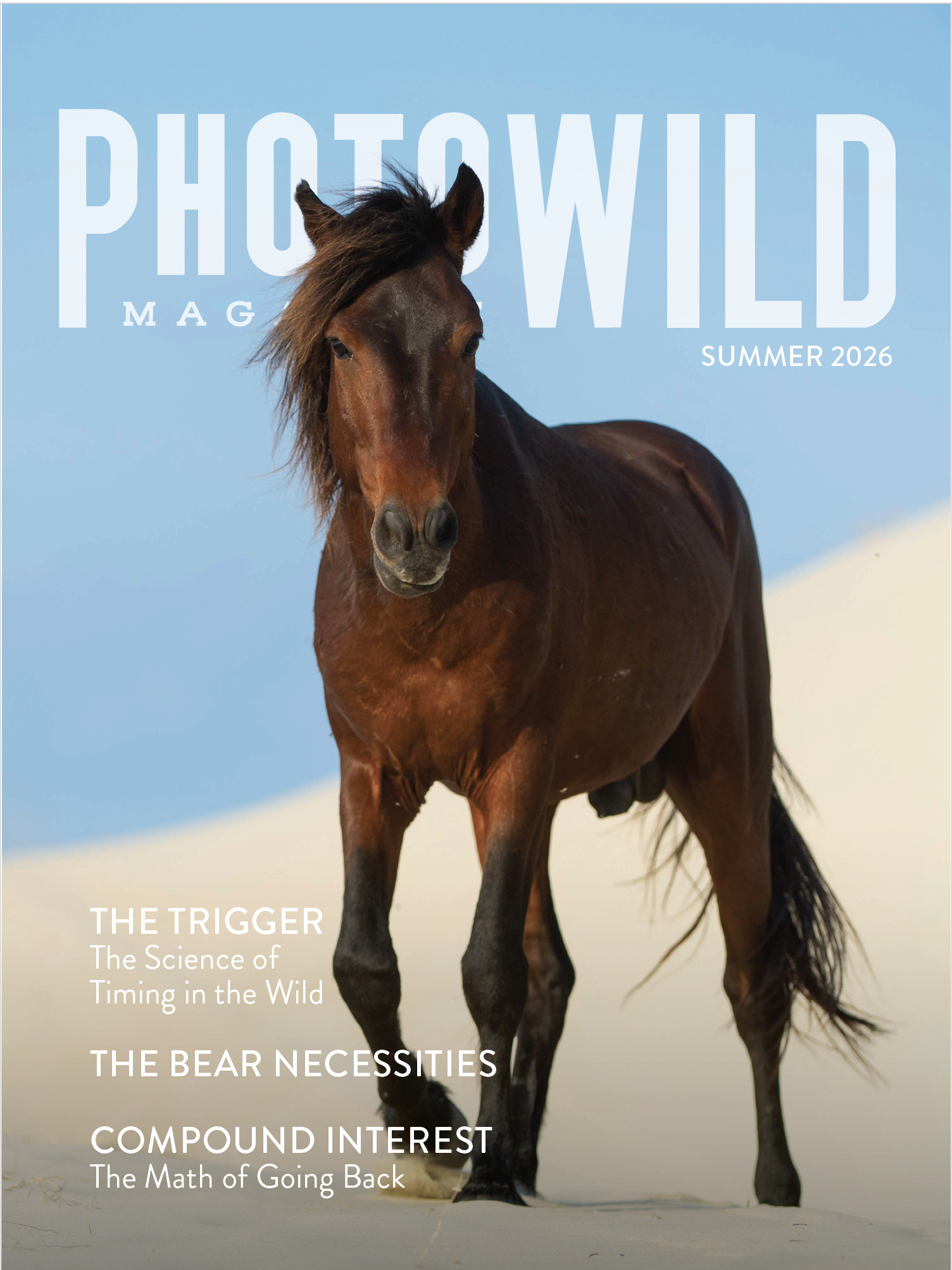
PhotoWILD Magazine - Summer 2026
When we learn how to read the unseen forces that control animal behavior, our wildlife photography stops depending on luck.
Select Articles from the Summer 2026 Edition
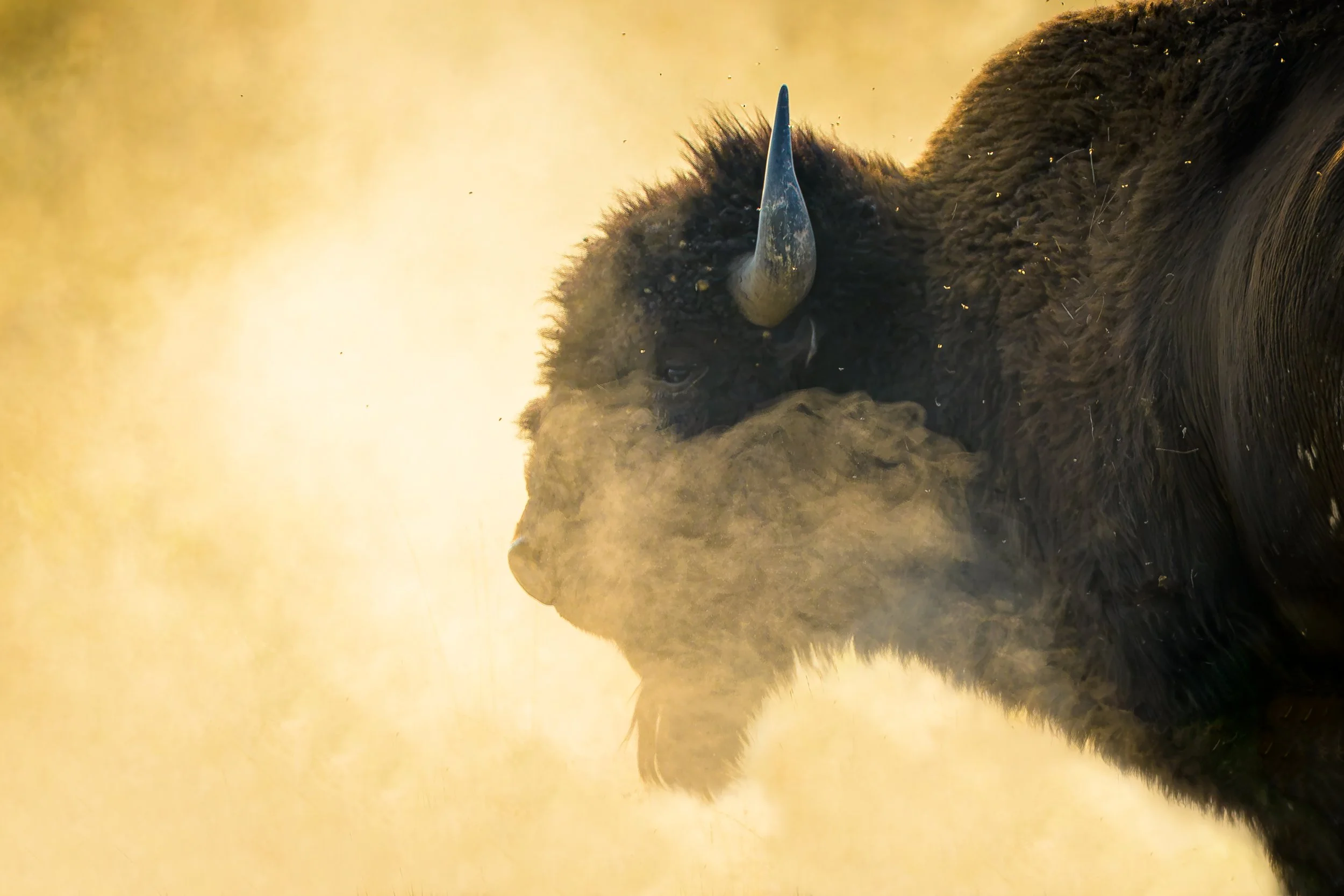
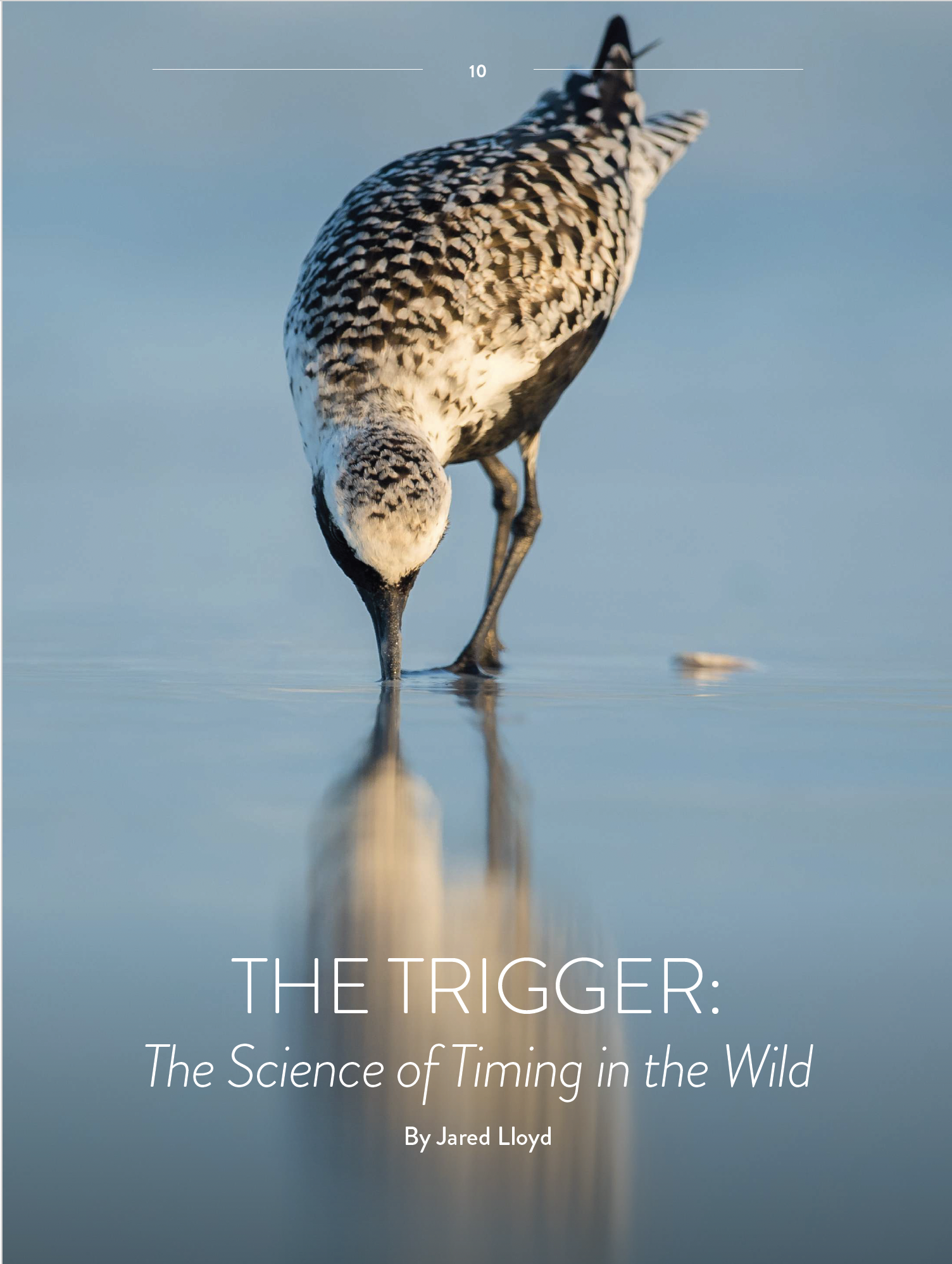
The Trigger: The Science of timing in the Wild
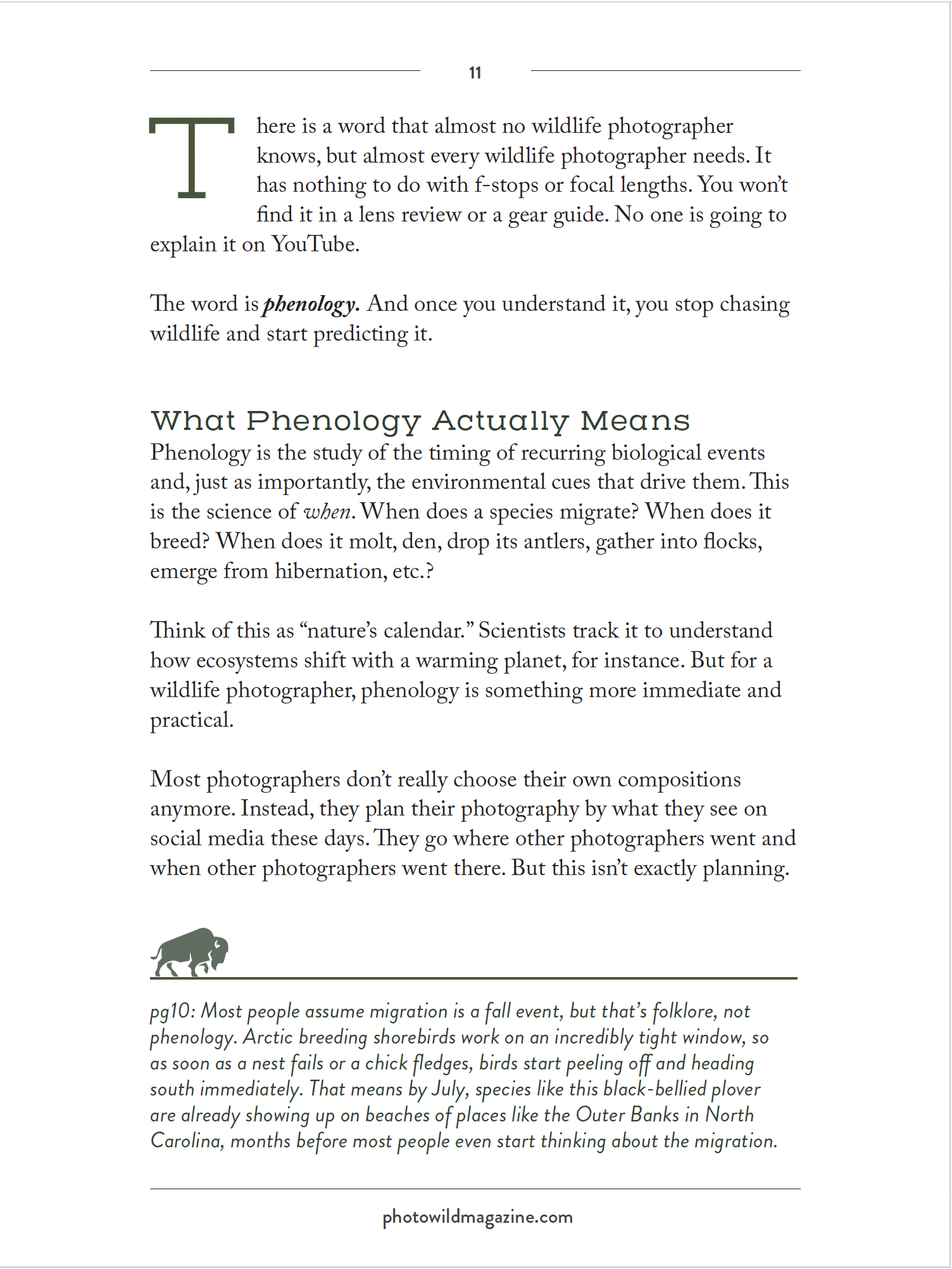
Ask anyone in camouflage when the rut happens and they'll tell you fall. They're wrong, or at least a few months late because bison, pronghorn, and muskox have already wrapped up by then. Ask a birder the same question about the migration. Same answer. Also wrong. Most photographers plan their year around what amounts to be little more than folklore, showing up where other people's photos were made, at the seasons everyone assumes are right. This piece is about replacing that folklore with phenology, the study of what actually triggers the events we want to photograph.
Compound Interest: The Math of Going Back
Mastery doesn't come from variety, it comes from return. It’s enticing to move on the moment we have made a decent photograph, chasing whatever's just around the next bend instead of what's already in front of us. But going back, to the same place, the same subject, again and again, is a different way of working entirely. Each return builds on the last: we see more, understand more, and our photographs stop being reactive and start compounding into something only patience and repetition can produce.
Foundations: Understand AF Area Modes
Do you finding yourself thinking your camera can't keep up with birds in flight? Or maybe that it seems to always focus on the branch instead of the bird. If so, it’s easy to assume these things are different problems with different fixes. But they're not. Almost every frustration with autofocus traces back to the very same thing and it has nothing to do with a camera’s ability to find an animal’s eye or custom button. Instead, it’s your AF Area Modes.
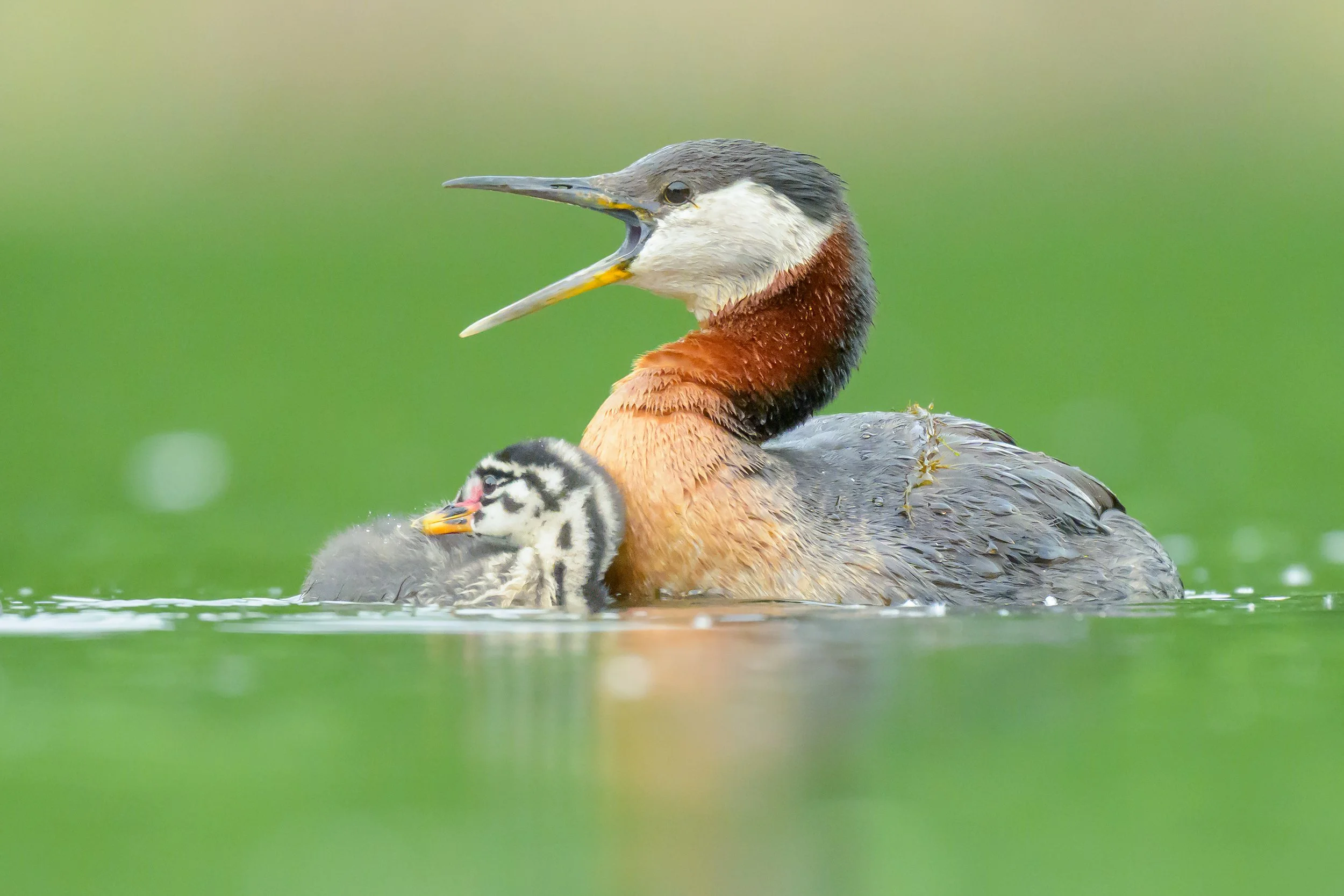
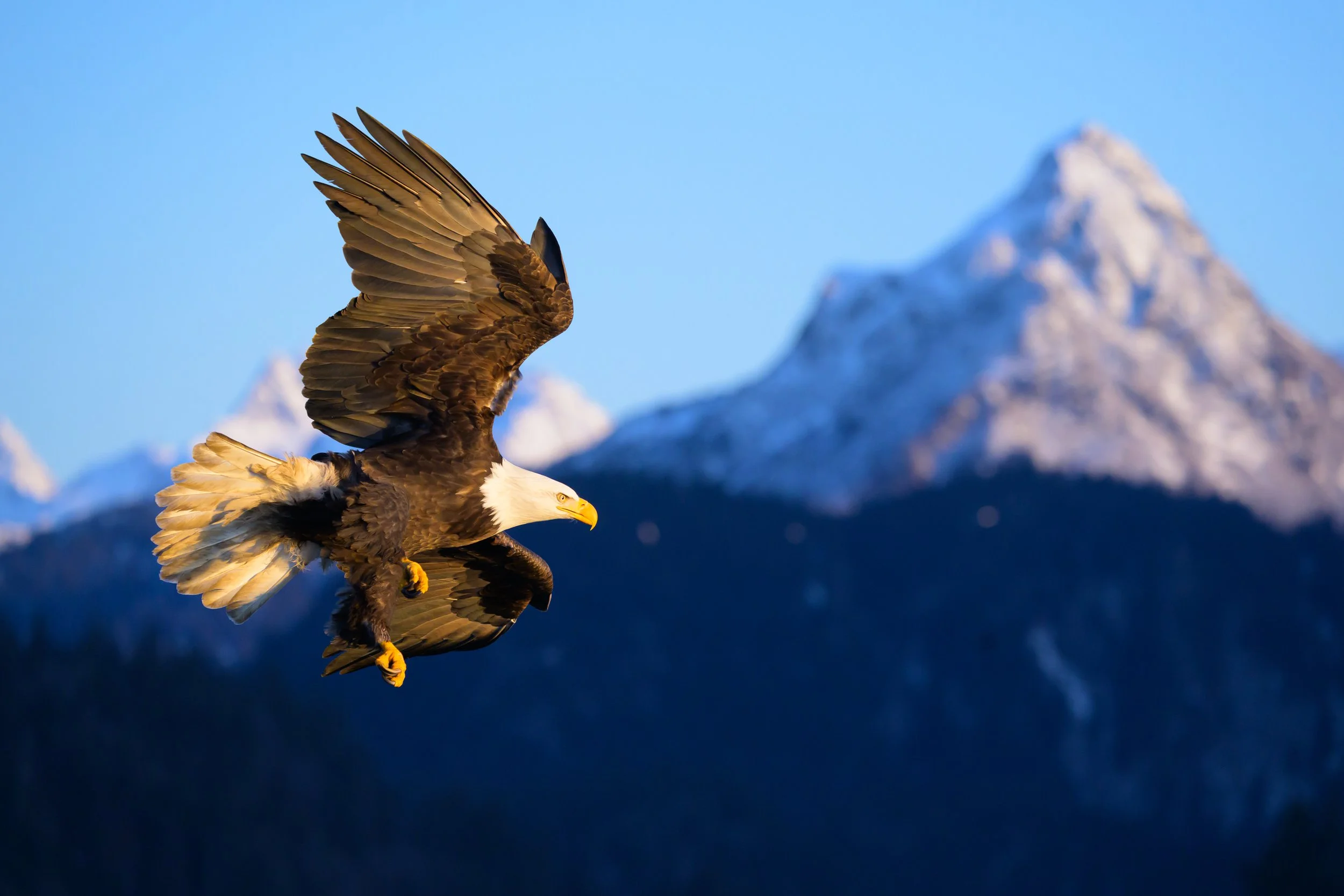
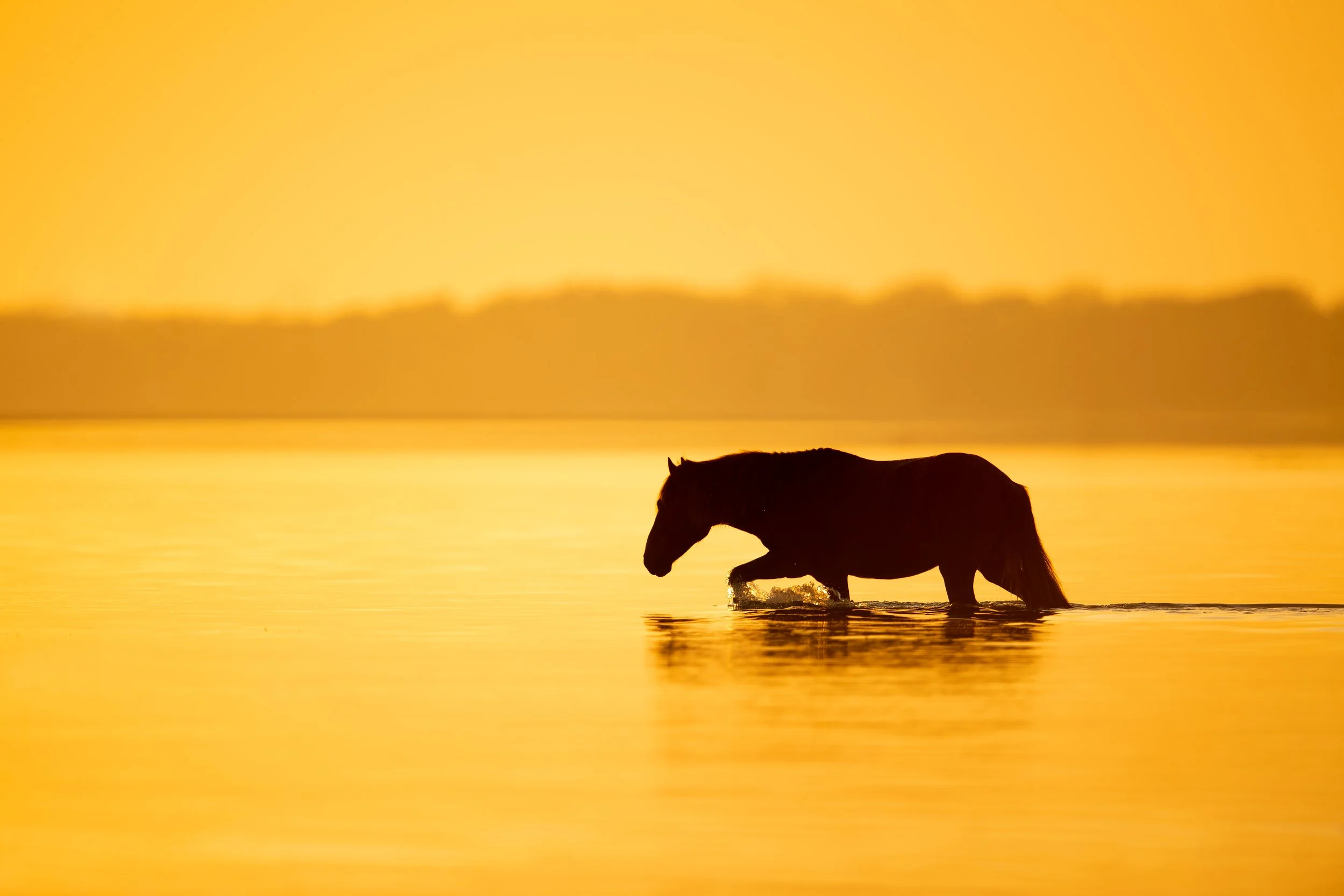
Case Studies in Fieldcraft
The best wildlife photographs aren't found, they're predicted. Understand the mechanics behind the composition you want, and a photograph stops being a matter of luck and starts being a matter of knowing what it will take to make it real. This is fieldcraft in its purest form: not a technique you apply in the field, but the recognition that there are larger forces at work that we can learn to understand and align ourselves with in order to create the photographs we want.
112 pages • Zero ads
A glimpse inside PhotoWILD Magazine:

Because you can’t photograph what you can’t find.