
Every Photo Is A Lesson In Fieldcraft
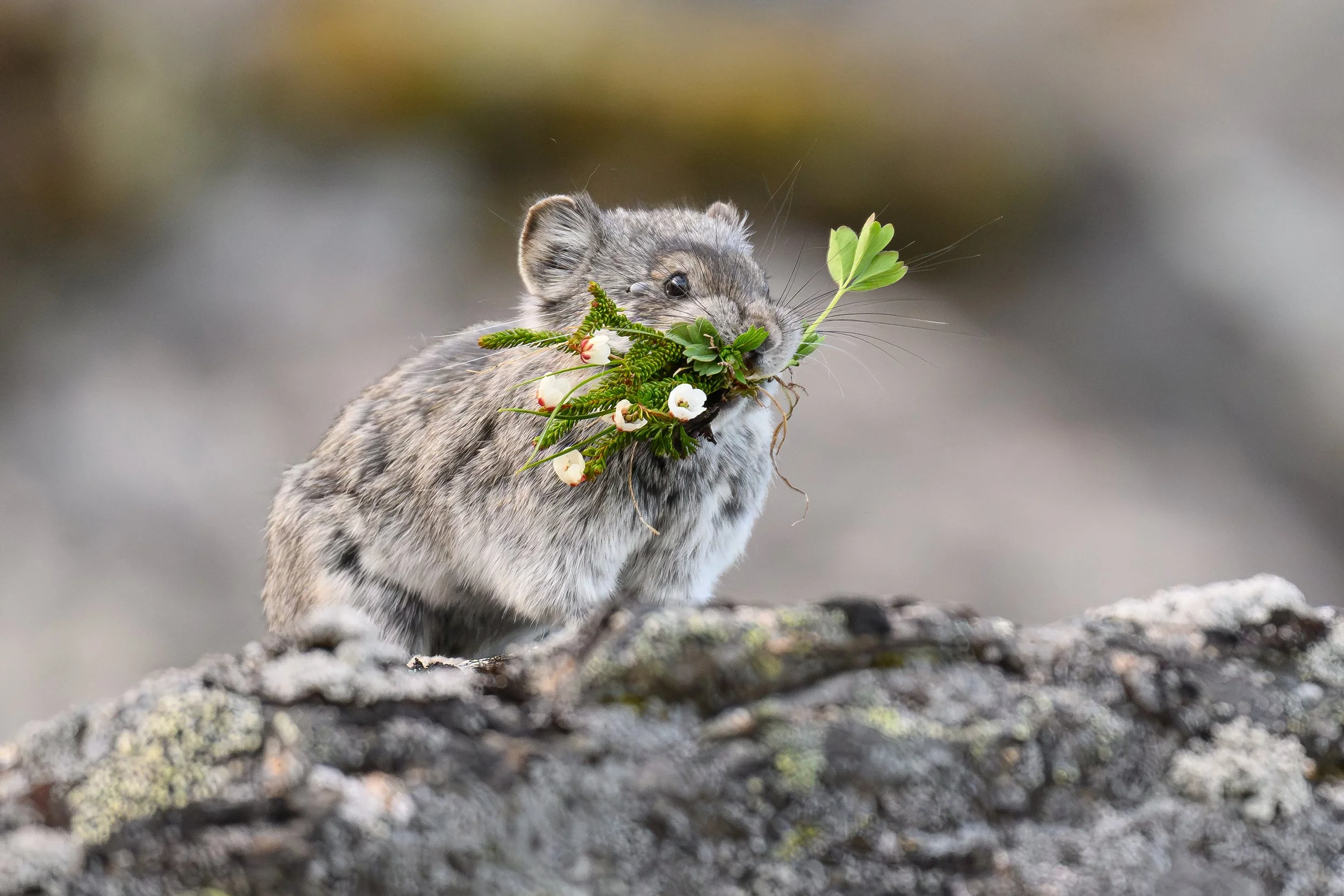
Most photographers see a cute little rodent with a mouthful of flowers. But collared pika are actually running one of the most sophisticated pharmacology experiments in the animal world—using toxic plants to preserve winter food. In this fieldcraft case study, I use this photograph an as example to show the process of how we can actually take control over our own photographs through the process of fieldcraft.
The Migration is Now
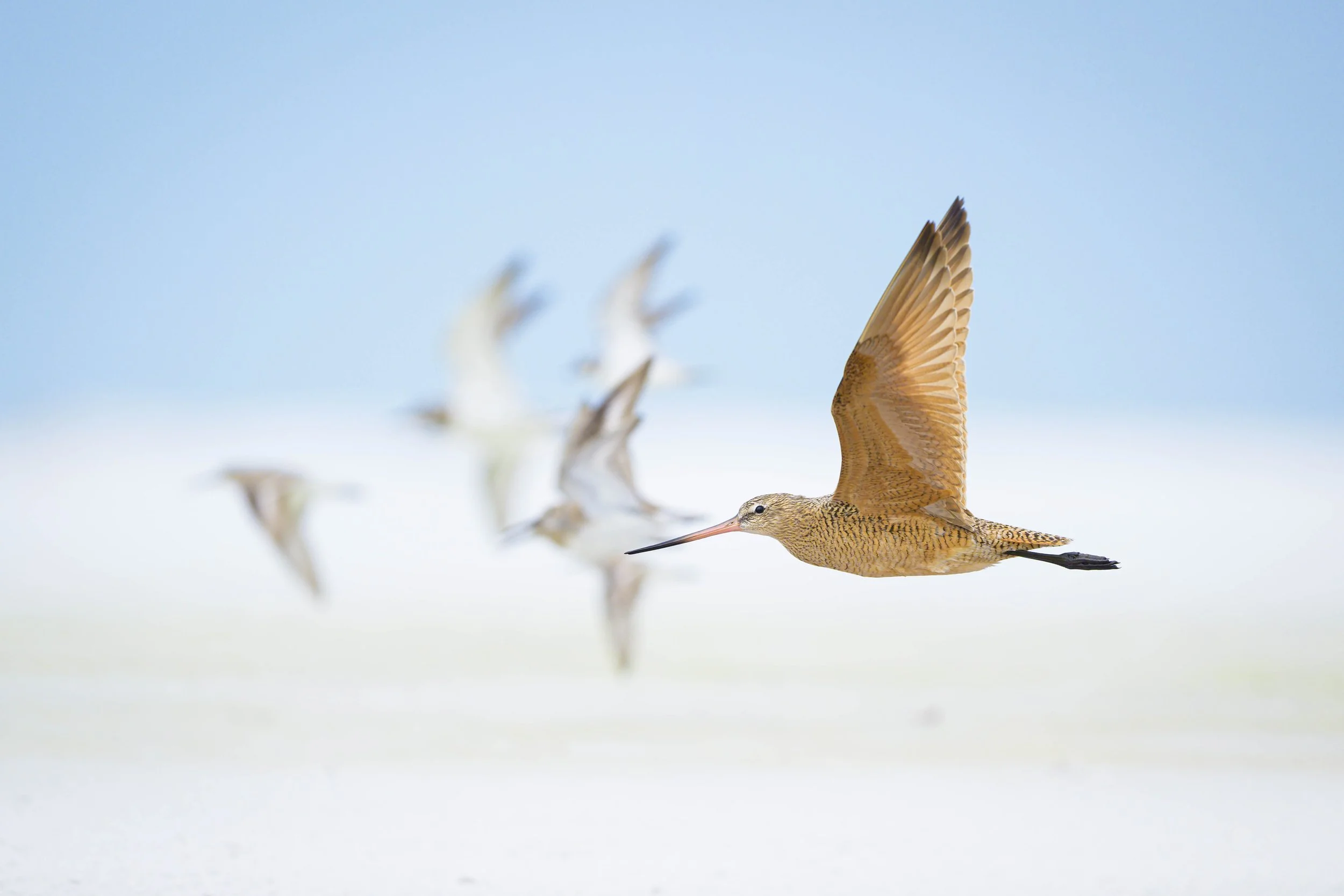
Fall migration doesn’t start in October - it’s already underway by the summer solstice. While most wildlife photographers write off July as a dead zone of heat and tourists, billions of shorebirds are pouring south from the Arctic in full breeding plumage. This article shows how understanding phenology, the “calendar” behind that movement, turns midsummer into one of the best, most predictable times of year to find and photograph shorebirds across the Northern Hemisphere.
The Best Kept Secret in Bird Photography
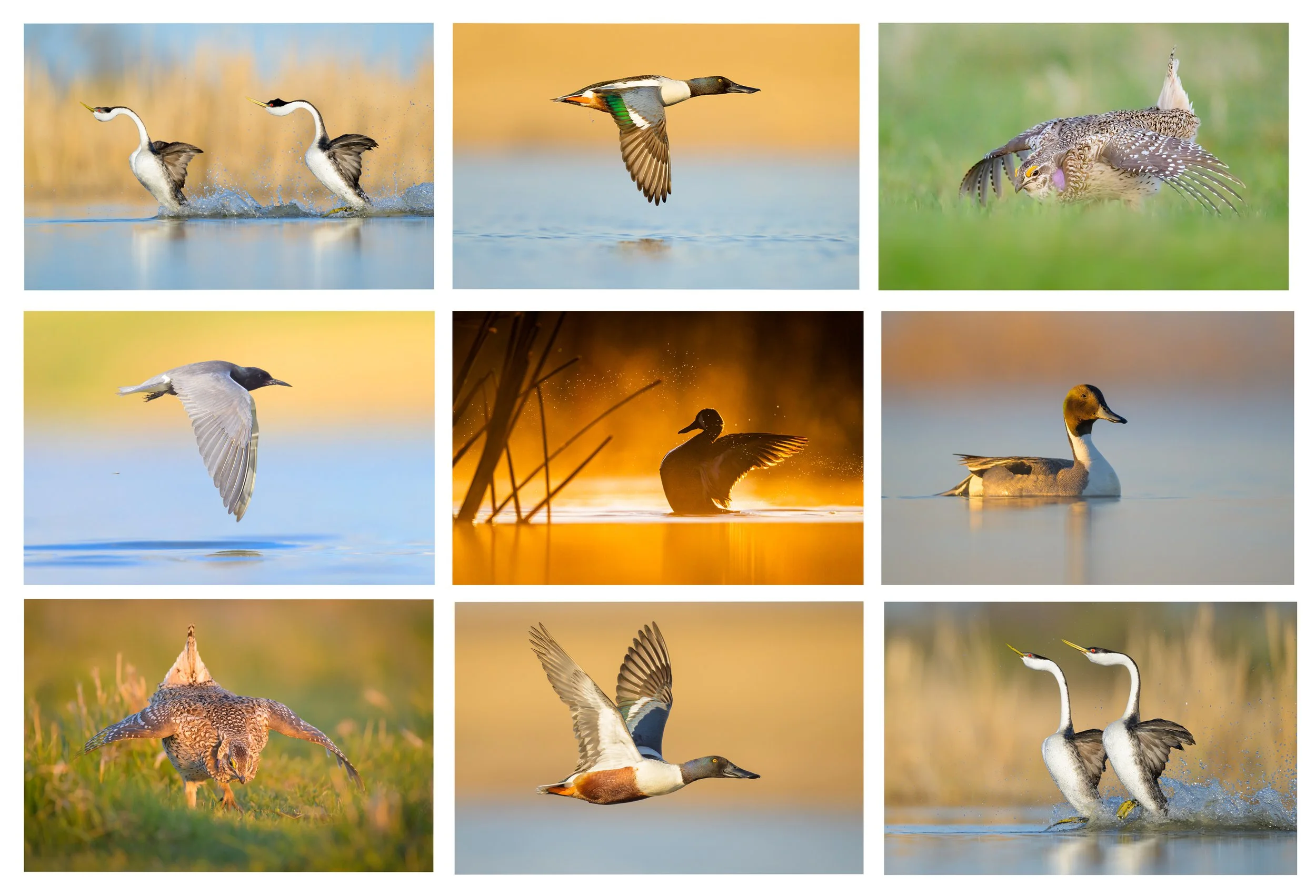
This year I spent a month in the Prairie Potholes Region of North Dakota leading 2 workshops. From dancing sharp-tailed grouse on their leks to some of the best opportunities for rushing western grebes, the diversity and opportunities this year were out of this world.
From Currituck to the Dakotas
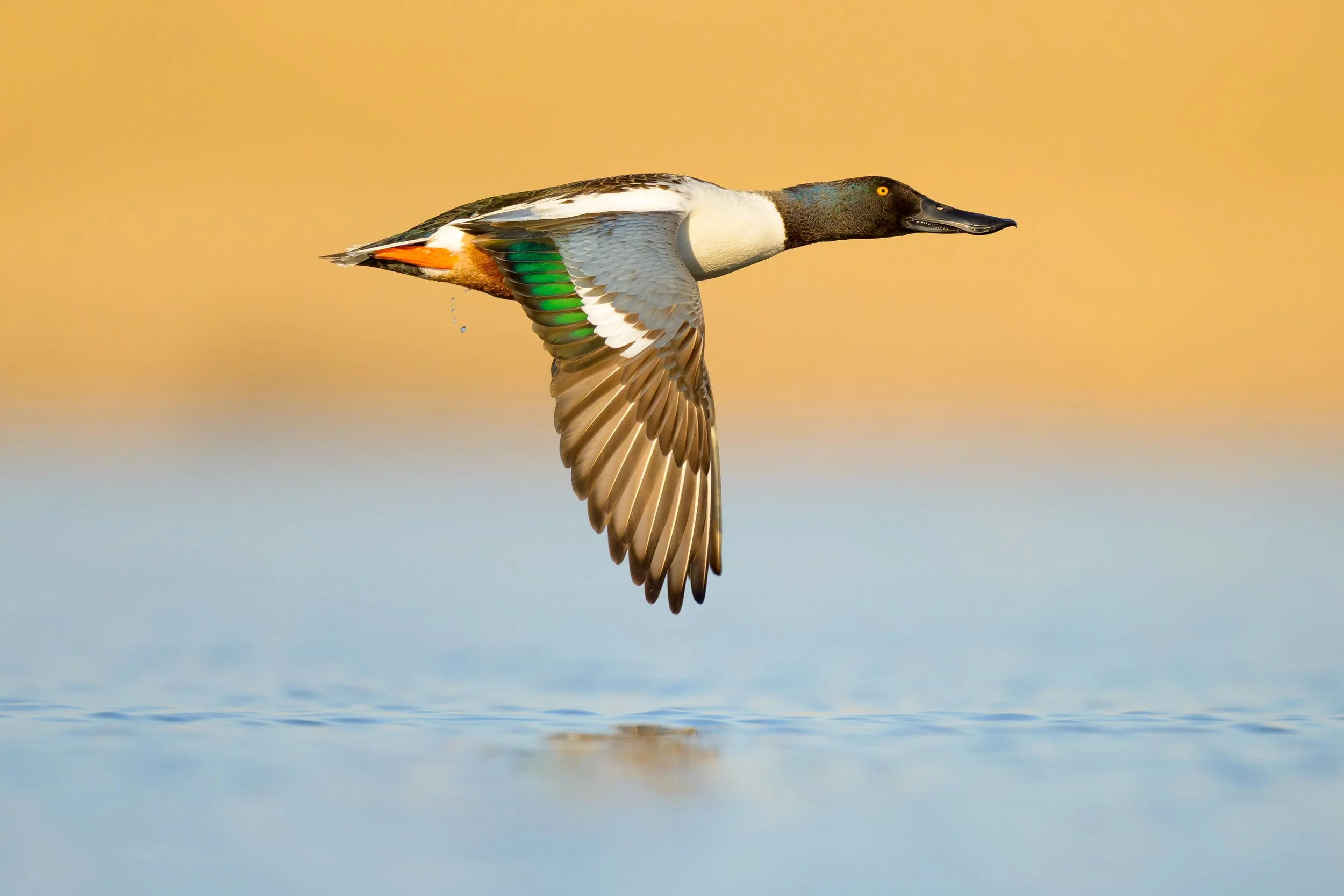
Very few people know this about me, but ducks are why I became a wildlife photographer. From Currituck Sound’s legendary duck clubs to North Dakota’s prairie potholes—the “duck factory” of North America—this is the story of how waterfowl, history, and conservation shaped my life and why a floating blind on a quiet pond still feels like home.